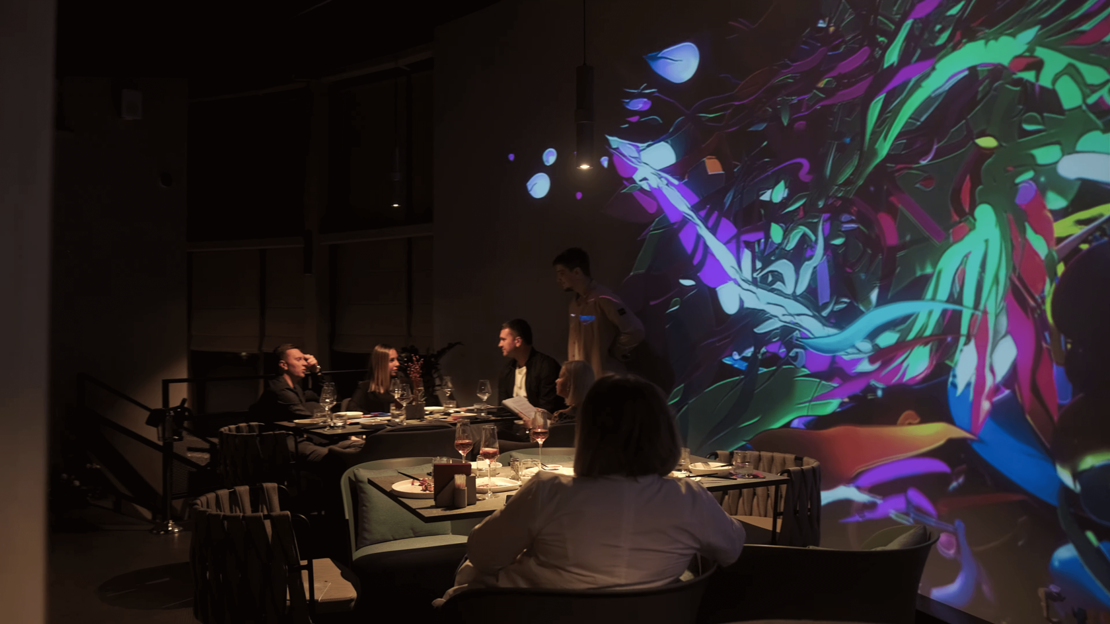
Welcome to the era of immersive dining, where food, atmosphere, storytelling, and interaction collide to create something far beyond a traditional meal. This isn’t just dinner. It’s a performance, a theme, a fully designed moment. From themed tasting menus and projection-mapped dining rooms to chefs sharing stories between courses, multi-sensory elements like sound and lighting, and interactive tableside presentations, the experience extends far beyond the plate. Guests are no longer passive diners. They participate. In a city like Las Vegas, where entertainment and hospitality naturally intertwine, this evolution feels not only fitting but inevitable.
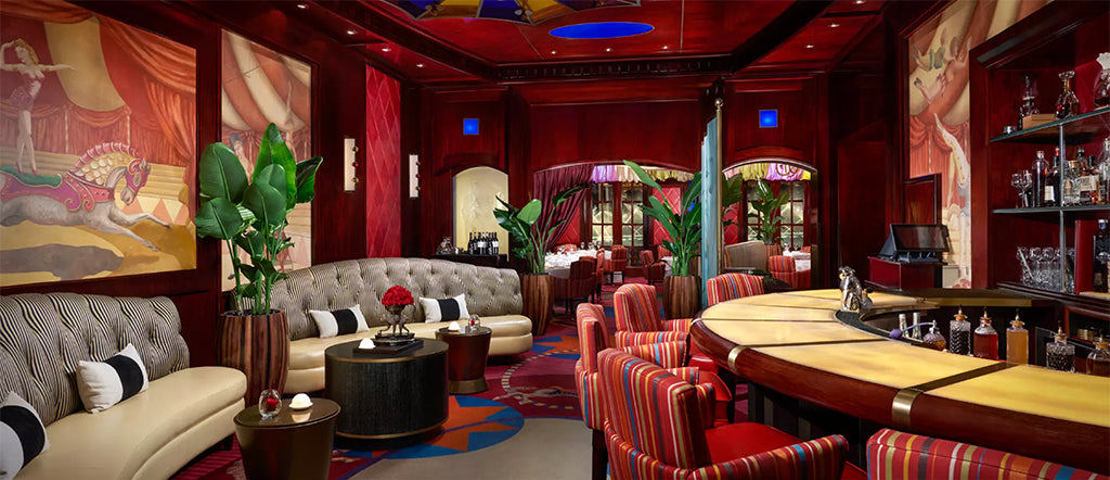
Las Vegas has always been built on escapism, luxury, and big, theatrical energy. People don’t just come here to eat. They come for something larger than life, something that feels elevated and worth sharing. In a city driven by spectacle and social media moments, traditional dining alone isn’t enough anymore. Guests want experiences they can post, talk about, and genuinely remember long after they leave the table.
For those of us studying and working in hospitality, that shift changes everything. It’s no longer just about food quality, service timing, or knowing the menu inside and out. Those fundamentals still matter, but now we also have to think about narrative, brand identity, emotional impact, and visual design. We’re not just serving meals. We’re helping create experiences. That’s where hospitality students and young professionals step in, especially those of us who understand both operations and branding. The future of dining in Las Vegas depends on people who can blend all of it together.
The Rise of the “Chef as Brand”
Platforms like Instagram and TikTok have transformed chefs into full-fledged personalities, turning kitchens into stages and dishes into shareable moments. Building a presence through platforms such as @cookingwithtiramisu isn’t just about posting recipes or food photos. It’s strategic marketing, audience development, brand building, and long-term client acquisition. In today’s hospitality landscape, students who understand how media, food, and operations intersect will have a clear advantage over the next decade. As immersive dining and chef-driven branding continue to grow, several skills will become increasingly important. Experience design will matter just as much as flavor, focusing not only on what’s on the plate but on how guests feel and the journey they take from the moment they walk in to the final course. Cross-training across front-of-house and back-of-house roles will remain essential, as operators who understand both sides of service can lead more effectively. Social media fluency will no longer be optional, since guests discover restaurants visually before they ever make a reservation. Finally, event flexibility will define successful concepts, with pop-ups, limited runs, and seasonal themes outperforming static, unchanging models.
Where Is this all Going?
Over the next five years, the skills that matter most in hospitality will go far beyond traditional service standards. Experience design will become just as important as what’s on the plate, focusing on how guests feel and the journey they take from the moment they arrive to the final bite. Cross-training across front-of-house and back-of-house roles will continue to set professionals apart, because operators who understand both service flow and kitchen execution can lead more effectively. Social media fluency will also be essential, as guests increasingly discover restaurants visually before ever making a reservation. Finally, event flexibility will define success. Pop-ups, limited runs, and seasonal themes are replacing static concepts, and agile operators who can adapt quickly will have the advantage.
Looking ahead, Las Vegas is positioning itself as a laboratory for experience-driven hospitality. We’re likely to see AI-integrated menus, augmented reality dining elements, chef-driven pop-up residencies, and multi-concept hybrid spaces that blend entertainment and food in new ways. For students entering the industry right now, the timing couldn’t be better. This isn’t a static field with fixed expectations. It’s an industry actively reinventing itself. Hospitality today isn’t just about feeding people. It’s about designing moments, building brands, and creating emotional memory. For anyone studying restaurant innovation while gaining hands-on experience in service and entrepreneurship, this shift isn’t simply a trend. It’s opportunity—especially in a city where opportunity often comes with stage lights.
rwsrkjijkz - Sunday, April 12, 2026
mhustvvphilzqfmwjoelwxtufzyovp
ulljfttyuu - Sunday, March 22, 2026
dxuzmsyxihrzeozkmgvyrtovzefnjz
jotruoivtf - Friday, February 27, 2026
rsodzqzyzpyyodwmipytwxhpqjizvq
Håkan Edling - Sunday, October 26, 2025
Awesome to see that the project is up and running! Now maybe it's time to start customizing it to your needs. You can find a lot of information in the official docs.